
Field Guide · Plant
Doghobble
The streamside evergreen that names this publication.
Streamside forest in the Great Smoky Mountains, the kind of ground doghobble favours. A photograph of the plant itself is still to come.
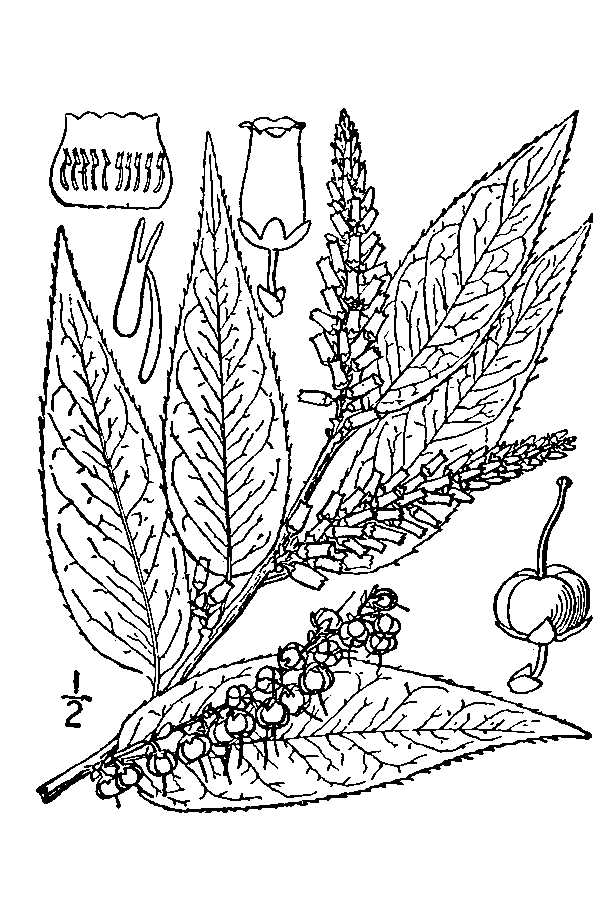
- Scientific name
- Leucothoe fontanesiana
- Also called
- Drooping leucothoe, fetterbush, switch ivy
- Family
- Ericaceae, the heath family, alongside rhododendron and mountain laurel
- Form
- Evergreen shrub, roughly three to six feet, with long arching stems that root where they touch the ground
- Flowers
- Drooping clusters of small white, urn-shaped flowers in spring
- Habitat
- Moist, acidic soil along mountain streams and in shaded coves
- Range
- Southern Appalachians, from Virginia south into Georgia and Alabama
- Note
- Foliage is toxic if eaten, like that of many heath-family plants
At a glance
Doghobble is a low, arching, evergreen shrub of the heath family that grows in dense thickets along mountain streams throughout the Southern Appalachians. It is a close relative of rhododendron and mountain laurel and shares their taste for cool, moist, acidic ground. In spring it hangs out clusters of small white bell-shaped flowers along the undersides of its stems; the leaves take on a bronze or purple cast in winter.
The name
The common name is usually explained by the thickets themselves: stems that root wherever they touch down, forming a tangle that hobbles hunting dogs chasing bears across the creek bottoms. The story is widely repeated and entirely plausible, but it is a tradition rather than a documented origin.
Why it matters
Doghobble is not rare, and it is not showy. It is simply everywhere the country is wettest and most alive, holding stream banks together and shading the water that native trout depend on. It is the plant you would miss if it were gone and never notice while it is there.
Sources and further reading
- Leucothoe fontanesianaNorth Carolina Extension Gardener Plant Toolbox, NC State University
- Leucothoe fontanesianaUSDA PLANTS Database